Creating Deepfakes is Easy - And That’s a Huge Onboarding Problem
The increasing sophistication of deepfakes presents a significant challenge to businesses seeking frictionless digital onboarding, as the need for speed and ease in customer acquisition clashes with the rising risk of complex and unprecedented deepfake fraud.

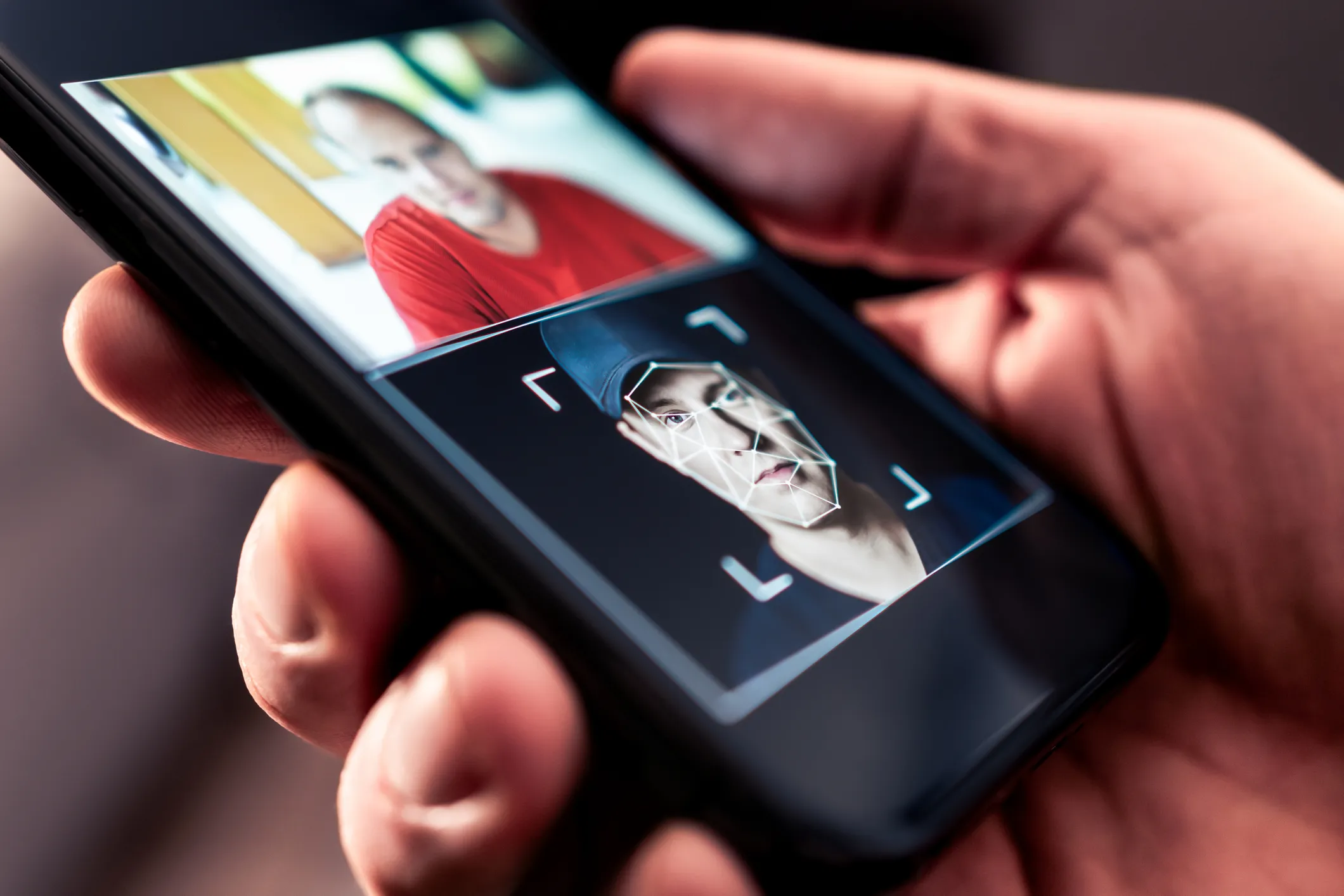

Deepfakes, while not entirely new, have reached a level of sophistication that challenges businesses that are trying to deliver frictionless digital onboarding to their users. The pursuit of speed and ease in customer acquisition has collided with the growing threat of deepfake fraud. The threat potential it presents to identity, fraud, and customer experience teams is unprecedented and complex.
The Increase in Deepfake Attacks
The ability to create highly convincing synthetic media is no longer the stuff of science fiction; it’s now a pressing reality and it’s becoming increasingly easier to do.
The statistics paint a grim picture. In a 2023 study, 66% of cybersecurity professionals reported encountering deepfake attacks within their organizations. These attacks, often involving fabricated audio or video of high-level executives demanding urgent financial transfers, have become increasingly sophisticated. The banking and financial services industry is seeing this more than anywhere else, with 92% of finance security leaders expressing deep concern about the impact of deepfakes. A high-profile case in 2022, where a bank manager was duped into transferring $35 million, illustrates both the ease with which the attack was perpetrated, but also the financial impact deepfake attacks can have.
The rapid escalation of deepfake threats highlights the urgent need for innovative solutions to protect individuals and businesses alike. While the full extent of deepfake-related breaches is still emerging, several high-profile attack types highlight the threat and its pervasiveness:
- Business Email Compromise (BEC): Bad actors have successfully used deepfake audio to impersonate CEOs and other executives, tricking employees into transferring large sums of money. These attacks have resulted in significant financial losses for businesses.
- Financial Fraud: Deepfakes have been employed to create fraudulent investment opportunities or impersonate financial advisors, leading to investor losses.
- Intellectual Property Theft: Deepfake technology can be used to create fake product endorsements or testimonials, infringing on intellectual property rights and damaging brand reputation.
- Disinformation and Propaganda: Deepfake videos can be used to spread false information, manipulate public opinion, and interfere with political processes.
- Extortion and Blackmail: Individuals or organizations can be targeted with deepfake blackmail, where threats of releasing compromising deepfake content are used to extort money or other valuables.
These are just some of the channels used to perpetrate deepfake fraud. Check out just how extensive the issue has become:
- Exponential Growth: Deepfake-related fraud cases surged 10 times globally between 2022 and 2023, according to Sumsub.
- Regional Disparity: North America experienced the most significant increase in deepfake fraud at a shocking 1740%.
- Industry Targeting: The cryptocurrency sector is expected to encounter $25 billion in losses due to deepfake scams in 2024.
- Identity Fraud: Synthetic identity fraud, which combines real and fake information and is increasingly reliant on deepfake technology, is on the rise.
It's important to understand the ease with which these deceptive creations can be produced. As you watch this video, we hope you’ll gain a deeper appreciation for the challenges we face in discerning truth from fiction in the digital age.
Defeating Deepfakes with Phone-Centric Verification
Relying on traditional methods like selfies and liveness detection, both of which have historically been seen as robust security measures, has become increasingly ineffective. These tactics are precisely what deepfakes were designed to defeat. While many organizations will invest heavily in countermeasures, a more direct approach may be to eliminate deepfake target points altogether. By rethinking onboarding processes to avoid reliance on visual verification, companies can significantly enhance security without compromising user experience.
A phone-centric approach delivers superior accuracy, reliability, and security for identity verification. By verifying device ownership and analyzing network and user data, it effectively prevents impersonation and fraudulent activity. Unlike traditional methods reliant on visual cues, phone-centric verification is impervious to deepfake attacks, safeguarding both businesses and customers. It operates with the following attributes:
Enhanced accuracy through device possession
Verifying ownership of a mobile device significantly improves identity accuracy, reducing the risk of impersonation and fraud.
Reliability, driven by unique data sources
Combining network signals, device attributes, and user behavior creates a robust, tamper-proof verification process, minimizing false positives and negatives.
Elimination of deepfake vulnerabilities
Since phone-centric verification does not rely on visual content like selfies or videos, it eliminates the possibility of deepfake fraud. Fraudsters cannot manipulate network signals or device attributes to create fake representations, making it a more secure method of verification.
A phone-centric approach delivers a superior, more secure onboarding experience. By accurately verifying users and preventing deepfake fraud, it safeguards both businesses and customers.
Let us show you how to combat the deepfake issue. Contact Prove and we’ll show you.
The modern
way of proving identity
Trusted by 2,000+ leading companies to reduce fraud and improve consumer


Keep reading
 Read the article: Still Using SMS OTP? See What It’s Really Costing Your Business
See what SMS OTP is really costing your business. Prove’s Beyond OTP Assessment measures cost, customer friction, fraud exposure, and OTP dependency, and provides a practical path toward Unified Authentication.
 Read the article: Prove Extends SIM-Based Silent Authentication to Wi-Fi and Mobile We
Prove has extended its SIM-based silent authentication technology to Wi-Fi connections and mobile web sessions, allowing supported authentication flows to verify possession of a mobile device without requiring a direct cellular data connection or an SMS one-time passcode.
 Read the article: CLARITY Act could allow 11 crypto activities for US banks
The Congressional Research Service has identified 11 categories of crypto activities that the Senate-reported CLARITY Act would permit for U.S. banking organizations and credit unions, including digital asset underwriting and dealing.


