Approaches to the Complex Issue of Age Verification
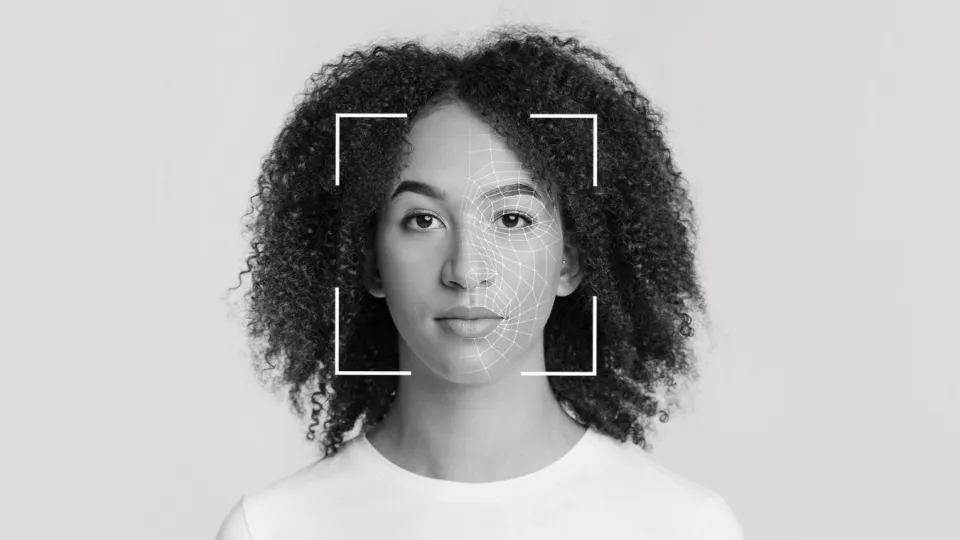
Ascertaining a user’s age used to involve simple self-declaration or rudimentary checks, but technologies like facial recognition and rigorous identity verification offer a more accurate form of determination.
.png)
Key takeaways
- Age verification must balance safety and privacy to protect users without creating unnecessary friction.
- No single age verification method fits every use case, with each approach offering different tradeoffs.
- Privacy-preserving identity verification can help organizations meet compliance requirements while minimizing data collection.
- Businesses need flexible age assurance solutions as regulations continue to evolve.
- A layered approach to digital identity helps improve trust, compliance, and user experience.
With a rash of new policies and laws that attempt to implement age restrictions for various websites and online services, and with debates raging over protection vs. free speech, we have to keep in mind the most important issue: protecting people online while preserving their access to vital digital spaces.
Much of the activity around this issue is driven by alarming findings about the mental health risks of unbridled social media usage for teens. Jonathan Haidt, an American social psychologist, recently published, The Anxious Generation, which documents the myriad negative consequences of digital life for young people. He shows a world that is hostile to young people and that is responsible for increased anxiety and depression rates, social isolation, addiction, and an environment that is primed for cyberbullying and online harassment.
As of this writing, 18 states have enacted or passed laws that seek to remedy this situation through age verification measures as a way to limit access by young people to social media, gambling, and pornographic websites and services. At issue is a conundrum typically faced with complex issues like this: the question of what we CAN do, while balancing what we SHOULD do.
The Goals of Digital Age Verification
Ascertaining a user’s age used to involve simple self-declaration or rudimentary checks, but technologies like facial recognition and rigorous identity verification offer a more accurate form of determination. While technology can provide better analysis and convenient solutions, underneath these efforts lie concerns about privacy and accuracy, sparking debates about the responsible use of such powerful tools.
The push for government-issued credentials adds another layer of security, yet the trade-off involves sharing sensitive information, leaving many hesitant. The current landscape resembles a patchwork quilt, with regulations varying across states and a federal framework yet to emerge, further fueling the controversy.
At the heart of this debate is a fundamental tension: how to strike the right balance between protecting minors and respecting individual privacy. The stakes are high. Effective age verification is essential to prevent minors from accessing harmful content and services, ensuring compliance with evolving regulations, and demonstrating a commitment to ethical business practices. But the way forward has plenty of messy issues and challenges. Privacy advocates worry about the potential misuse of personal data, while accuracy issues and user experience concerns add further complexities.
Digital age verification is intended to operate as a guardian. Most efforts to implement it originated with the goal of shielding children from harmful content and safeguarding their well-being. By implementing age checks, the idea has been that platforms could create a safer space, preventing minors from stumbling upon age-restricted material and harmful online behavior that could negatively impact their emotional and mental development.
Legal Implications of Age Verification
The law also plays a role in age verification. Consider that age verification doesn't just protect young people; it also protects businesses. If a company makes sure its users are old enough for what they're offering, they're less likely to get sued for inappropriate conduct. This is especially important in areas like online gambling or adult content, where age limits are essential in order to prevent harm.
There is a counter argument, and it’s one that is deeply rooted in the fabric of our society. While the importance of protecting minors from harmful online content is undeniable, the implementation of age verification systems raises valid concerns about its potential impact on free speech.
The First Amendment of the United States Constitution addresses citizen’s rights to freedom of speech, and some argue that strict age verification measures could inadvertently limit access to information and ideas, even for adults. By requiring users to verify their age, certain websites or platforms may inadvertently create barriers that hinder open dialogue and the free exchange of information. These issues also create legal ramifications, with advocates of free speech seeking to make access easy and friction-free for all individuals.
There are also concerns regarding the potential for age verification to be used as a tool for censorship or surveillance. If governments or private entities have access to user age data, there is concern that it could lead to targeted restrictions on content or even the tracking of individual online activities.
How Online Age Verification Works: Advantages and Challenges
Today's most common methods for verifying age online require users to hand over sensitive data like facial scans, ID cards, or banking information to third-party companies. This data then gets tied to their browsing history, creating a record of their pornography consumption. Digital rights groups, like the Electronic Frontier Foundation, warn that this practice creates a prime target for hackers and leaves individuals vulnerable to theft and extortion.
Let’s look at the various digital age verification methods – and their various challenges – in more detail:
Creating a truly safe online space for young people will require a multifaceted digital identity approach. While approaches and methods continue to be debated, Prove is committed to working with the various stakeholders to ensure that the appropriate needs are met to ensure safe digital environments for everyone.
The modern
way of proving identity
Trusted by 2,000+ leading companies to reduce fraud and improve consumer


Frequently Asked Questions
A process used to confirm whether someone meets the age requirements for accessing products, services, or online content.
It helps protect minors, support regulatory compliance, and reduce organizational risk.
Self-declaration, document verification, biometrics, third-party verification, and payment-based verification.
Balancing privacy, accuracy, user experience, and evolving legal requirements.
Mary Ann Miller is the Fraud & Cybercrime Executive Advisor and VP of Client Experience at Prove. Mary Ann is a well-respected expert in the fraud and identity space who has been quoted by Sky News, TechCrunch, American Banker, USA Today, and others. Mary Ann was most recently Head of Fraud Strategy at Varo Bank, where she led the fraud strategy process for transitioning the fintech to a nationally chartered challenger bank. Prior to that, Mary Ann's held directorships and executive roles at well-known organizations such as USAA, PayPal, Lloyd's Banking Group, and other technology firms. She has also served on the US Federal Reserve Secure Payments Task Force and is a current member of the Federal Reserve’s Scams Definition and Classification Work Group.
Keep reading
 Read the article: Prove Unveils The Trust 25, Recognizing Leaders From Uber, Citi, PayPal, Visa, and 20+ Other Organizations Solving the Hardest Problems in Digital Identity
Prove announces the 2026 Trust 25, honoring 25 leaders from Uber, Citi, PayPal, Visa and more advancing digital identity, fraud prevention and AI-driven trust.
 Read the article: Prove Unveils The Trust 25, Recognizing Leaders From Uber, Citi, PayPal, Visa, and 20+ Other Organizations Solving the Hardest Problems in Digital Identity
Honorees span banking, payments, gaming, and technology, reflecting the breadth of industries now confronting AI-driven fraud, authentication, and the rise of AI agents
 Read the article: The Trust 25: Meet the Leaders Defining the Future of Digital Trust
Discover Prove's inaugural Trust 25 honorees: 25 innovators advancing digital identity, fraud prevention, payments, customer experience, and AI commerce.


